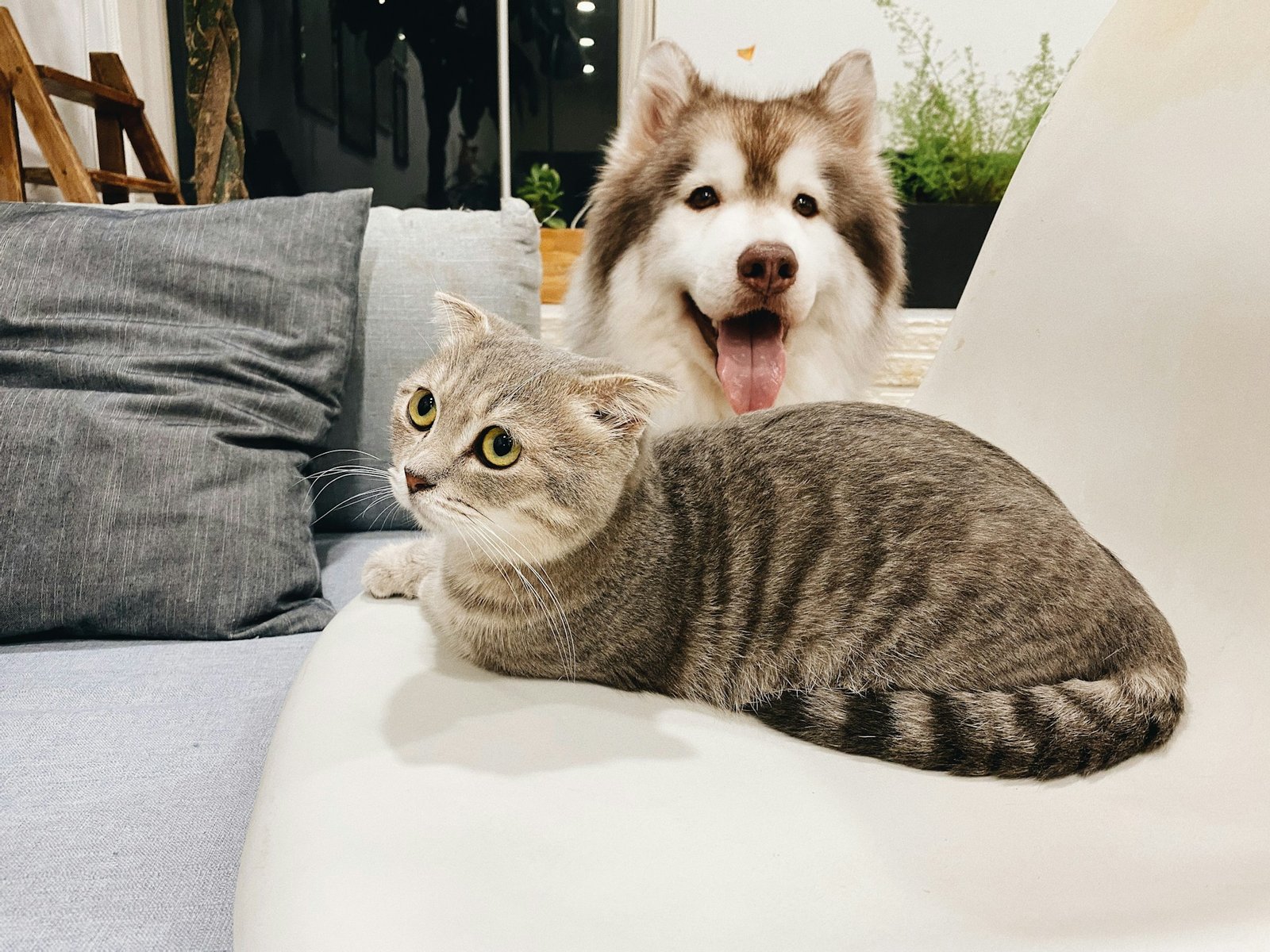
Thunderstorms generate fear reactions in pets which leads to their emotional distress together with heightened anxiety and panic. Dogs together with cats show distress symptoms through trembling and hiding as well as loud persistent vocalizations and destructive behaviors when storms hit. Several proven methods help pets maintain calmness and peace when they face thunderstorm anxiety. A compilation of five tested approaches exists to help pets remain calmer during thunderstorms.
1. Create a Safe and Comfortable Space
Providing a secure and comforting environment for your pet can help reduce their anxiety during storms. Designate a safe space in your home where your pet can retreat when they feel scared.
How to Set Up a Safe Space:
- Choose a quiet, enclosed area away from windows, such as a bathroom, basement, or closet.
- Use soft bedding, blankets, and familiar toys to create a cozy atmosphere.
- Play calming music or white noise to help drown out the sound of thunder.
- Consider using a covered crate for dogs, as it can provide a sense of security similar to a den.
By creating a safe haven, your pet will have a designated place where they can feel protected during storms.
2. Use Calming Aids and Products
Several products are designed to help pets manage anxiety during thunderstorms. These tools can be beneficial in soothing their nerves and providing a sense of comfort.
Effective Calming Aids:
- ThunderShirt or Anxiety Wraps: These snug-fitting garments apply gentle pressure to your pet’s body, similar to swaddling a baby, which can help reduce stress.
- Pheromone Diffusers & Sprays: Products like Adaptil (for dogs) and Feliway (for cats) release calming pheromones that can help ease anxiety.
- Calming Treats & Supplements: Natural supplements containing ingredients like chamomile, L-theanine, and CBD oil may help relax your pet.
- Essential Oils: Lavender and chamomile essential oils, when used safely, can provide a soothing effect.
Experiment with different calming aids to find what works best for your pet.
3. Distract and Engage Your Pet
Keeping your pet engaged in positive activities can help take their mind off the storm and reduce stress.
Ways to Distract Your Pet:
- Interactive Toys & Puzzles: Provide treat-dispensing toys or puzzle feeders to keep them occupied.
- Play Games: Engage in light play, such as fetch or tug-of-war, to divert their attention from the storm.
- Training & Commands: Practice basic training exercises like “sit” or “stay” with rewards to shift their focus.
- Comforting Presence: Simply sitting with your pet, speaking in a calm voice, and offering gentle petting can help reassure them.
Distraction techniques can be highly effective, especially when combined with a safe environment and calming aids.
4. Desensitize Your Pet to Thunderstorm Sounds
Gradual desensitization can help your pet build a tolerance to the sounds of thunderstorms over time.
Steps for Desensitization Training:
- Play Recorded Thunderstorm Sounds: Start with low-volume recordings of thunderstorms while engaging your pet in a positive activity.
- Gradually Increase Volume: Over time, slowly increase the volume while continuing to reward calm behavior.
- Pair with Treats & Praise: Associate the sound of thunder with something positive, like treats or affection.
- Consistency is Key: Repeat the process regularly, increasing exposure gradually to help your pet build confidence.
This method can help reduce their sensitivity to storm noises and make future thunderstorms less stressful.
5. Consult a Veterinarian for Severe Anxiety
If your pet experiences extreme anxiety during thunderstorms and none of the above methods provide sufficient relief, consulting a veterinarian is a crucial step.
Veterinary Solutions for Severe Anxiety:
- Prescription Anxiety Medication: In cases of severe stress, your vet may prescribe anti-anxiety medications or sedatives to help your pet cope.
- Behavioral Therapy: A professional animal behaviorist can develop a customized training plan to address storm-related anxiety.
- Alternative Therapies: Acupuncture, massage therapy, or hydrotherapy may provide additional relaxation for highly anxious pets.
A veterinarian can assess your pet’s anxiety levels and recommend the most appropriate course of action.
Final Thoughts
Thunderstorm anxiety produces difficulties for owners together with their pets however suitable management methods allow pet owners to help their animals feel secure and relaxed during stormy conditions. You can manage your pet’s storm-related anxiety by establishing a protected zone together with stress-relief tools while offering stimuli to distract them and conducting gradual storm audio exposure under veterinary supervision.
Because each pet has its own personality the appropriate combination of methods needs time to identify which works best for your pet. The combination of love and patience enables you to help pets endure storms with composure and steadiness.